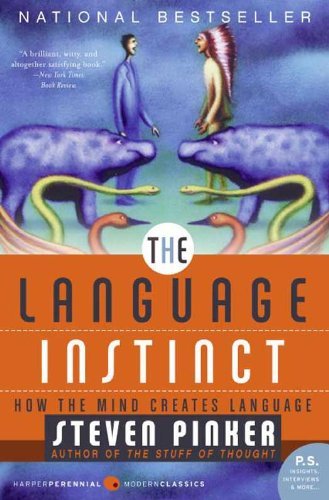
With deft use of examples of humor and wordplay, Steven Pinker weaves our vast knowledge of language into a compelling story: language is a human instinct, wired into our brains by evolution.
Why should we study language? How do the ways in which we communicate define our identities? And how is this all changing in the digital world? Since 1993, many have turned to Language, Culture, and Society for answers to questions like those above because of its comprehensive coverage of all critical aspects of linguistic anthropology.
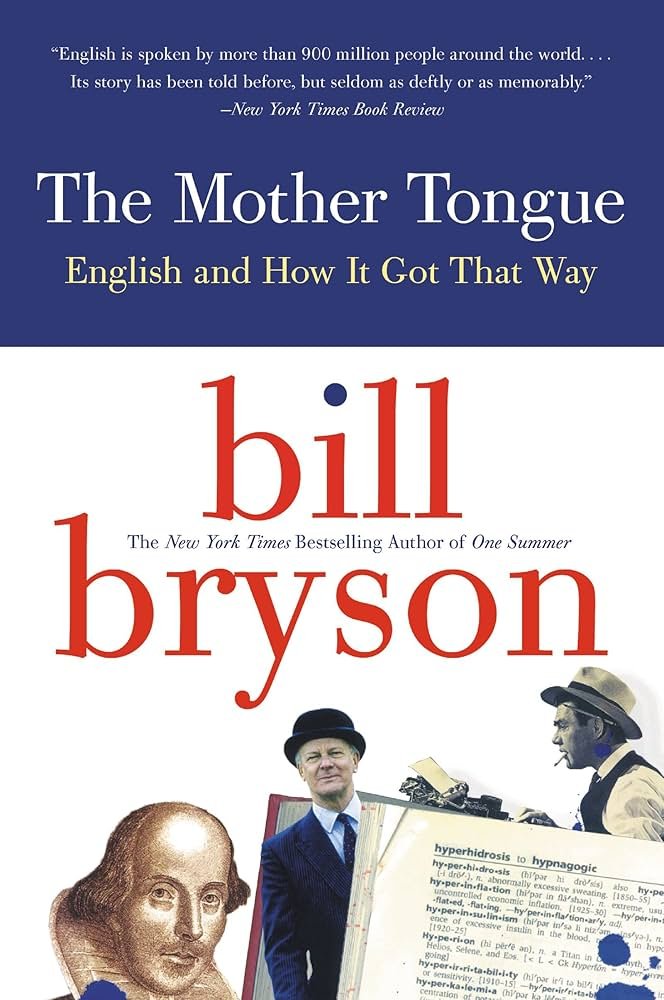
From the first descent of the larynx into the throat (why you can talk but your dog can’t), to the fine lost art of swearing, Bryson tells the fascinating, often uproarious story of an inadequate, second-rate tongue of peasants that developed into one of the world’s largest growth industries.
a completely unauthorized guide to the strange underpinnings of the English language. It explains how you get from “gruntled” to “disgruntled”; why you are absolutely right to believe that your meager salary barely covers “money for salt”; how the biggest chain of coffee shops in the world connects to whaling in Nantucket; and what, precisely, the Rolling Stones have to do with gardening. This witty book will awake the linguist in you and illuminate the hidden meanings behind common words and phrases, tracing their evolution through all of their surprising paths throughout history.
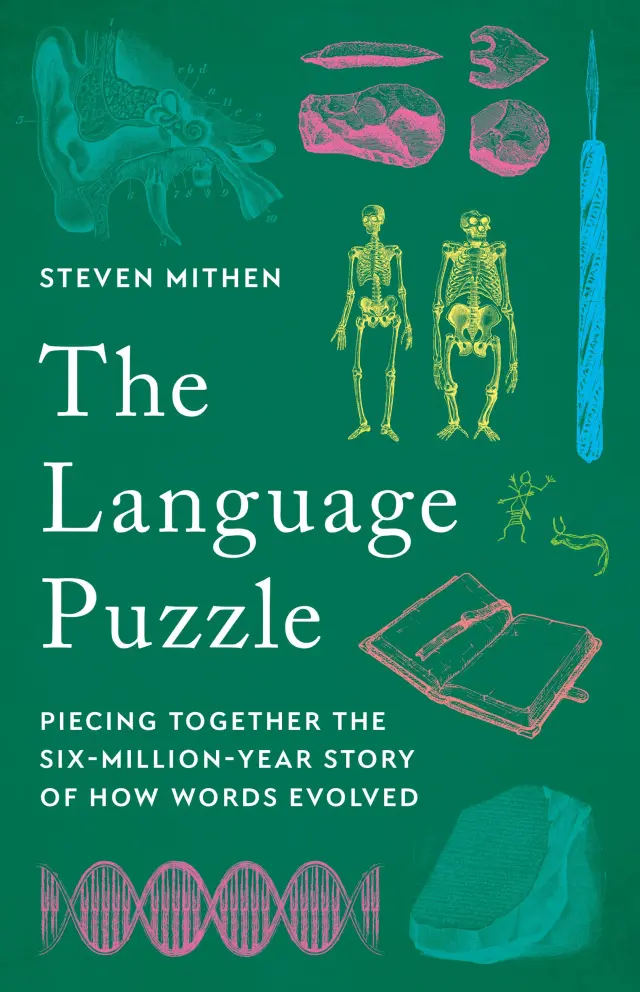
Drawing from this work and synthesizing research across archaeology, psychology, linguistics, genetics, neuroscience, and more, Mithen details a step-by-step explanation of how our human ancestors transitioned from apelike calls to words, and from words to language as we use it today. He explores how language shaped our cognition and vice versa; how metaphor advanced Homo sapiens’ ability to formulate abstract concepts, develop agriculture, and—ultimately—shape the world.
Whether you’re a crossword solver, cryptogram fan, Scrabble addict, or Sudoku savant, The Language Lover’s Puzzle Book is guaranteed to tease your brain and twist your tongue.
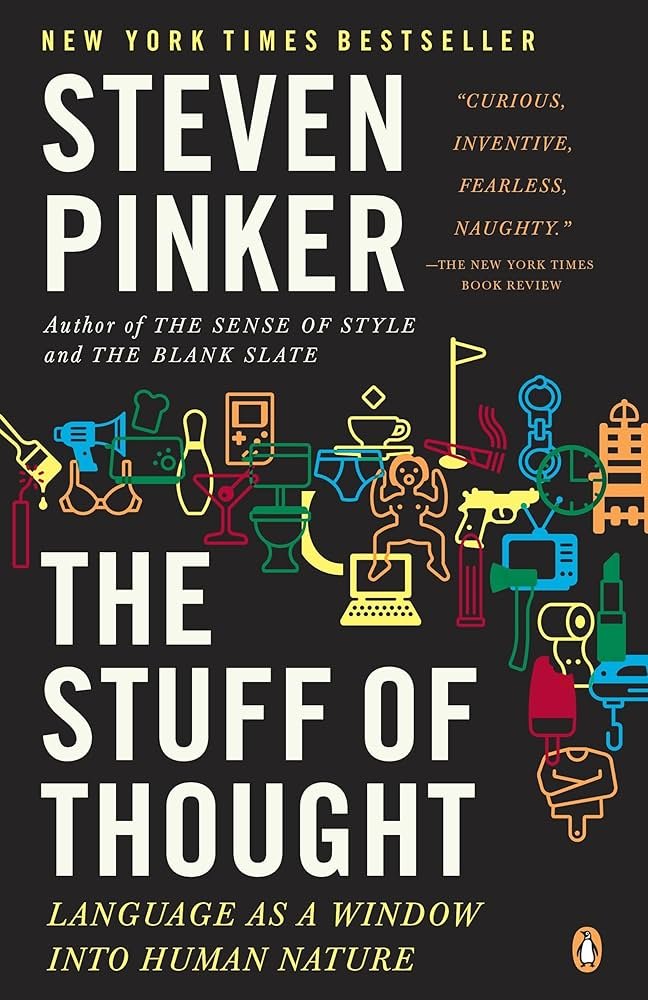
In The Stuff of Thought, Pinker presents a fascinating look at how our words explain our nature. Considering scientific questions with examples from everyday life, The Stuff of Thought is a brilliantly crafted and highly readable work that will appeal to fans of everything from The Selfish Gene and Blink to Eats, Shoots & Leaves.
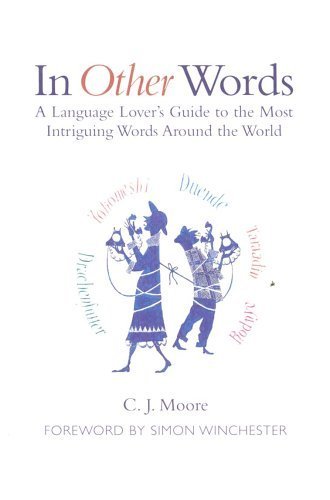
This quirky lexicon of hard-to-translate words gives the reader a new way to look at the world and how words relate to us. The words are arranged by region or country of origin, and a brief introduction to each section―each done by a respected translator―gives insight into the culture of the people as well as the language. Each of these singular words is cleverly and thoroughly defined, with interesting details and references throughout. The search for that elusive mot juste may be over.
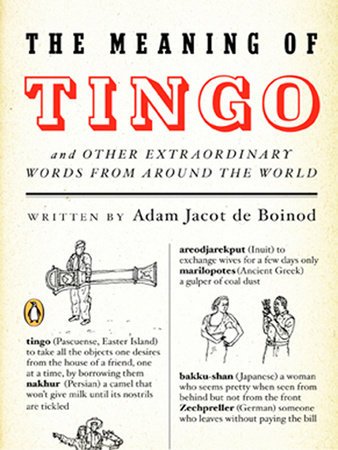
A whimsical linguistic tour of foreign words and phrases that do not have precise English-language equivalents includes such entries as the world’s longest-known palindrome, the Dutch rendering of the sound of Rice Krispies cereal, and the Bolivian word that means, “I was rather too drunk last night and it’s all their fault.”
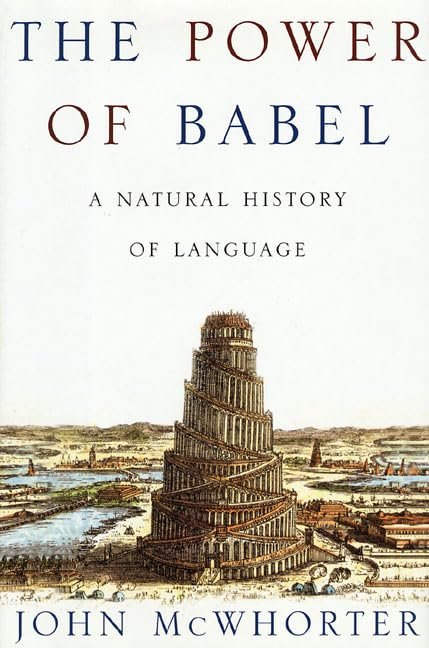
In the first book written for the layperson about the natural history of language, linguistic professor John McWhorter ranges across linguistic theory, geography, history, and pop culture to tell the fascinating story of how thousands of very different languages have evolved from a single, original source in a natural process similar to biological evolution.
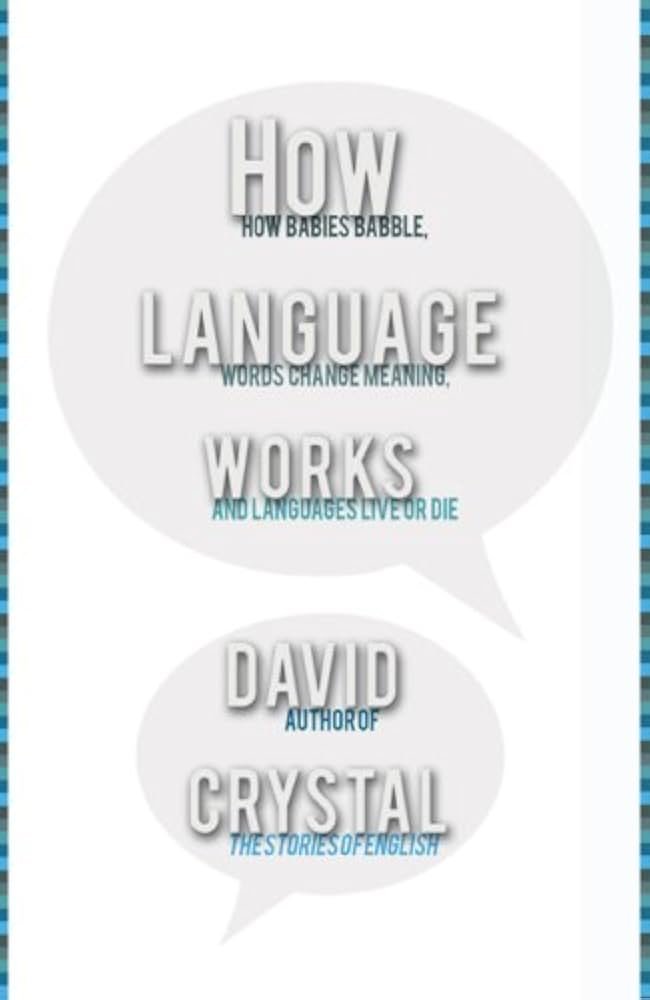
How Language Works - David Crystal
Lorem ipsum dolor sit amet, consectetur adipiscing elit. Ut elit tellus, luctus nec ullamcorper mattis, pulvinar dapibus leo.
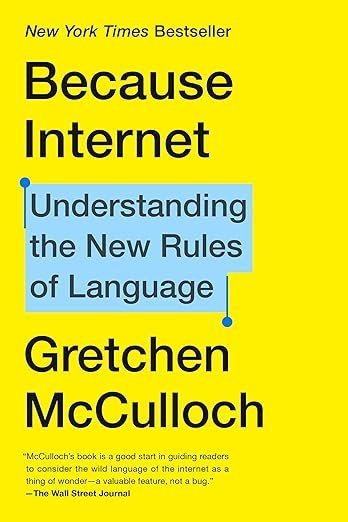
Because Internet: Understanding the New Rules of Language
Language is humanity’s most spectacular open-source project, and the internet is making our language change faster and in more interesting ways than ever before. Internet conversations are structured by the shape of our apps and platforms, from the grammar of status updates to the protocols of comments and @replies. Linguistically inventive online communities spread new slang and jargon with dizzying speed. What’s more, social media is a vast laboratory of unedited, unfiltered words where we can watch language evolve in real time.